Beyond the Clip-Board: Why Modern Hospitality Demands Smart Floor Management and Direct Table Booking
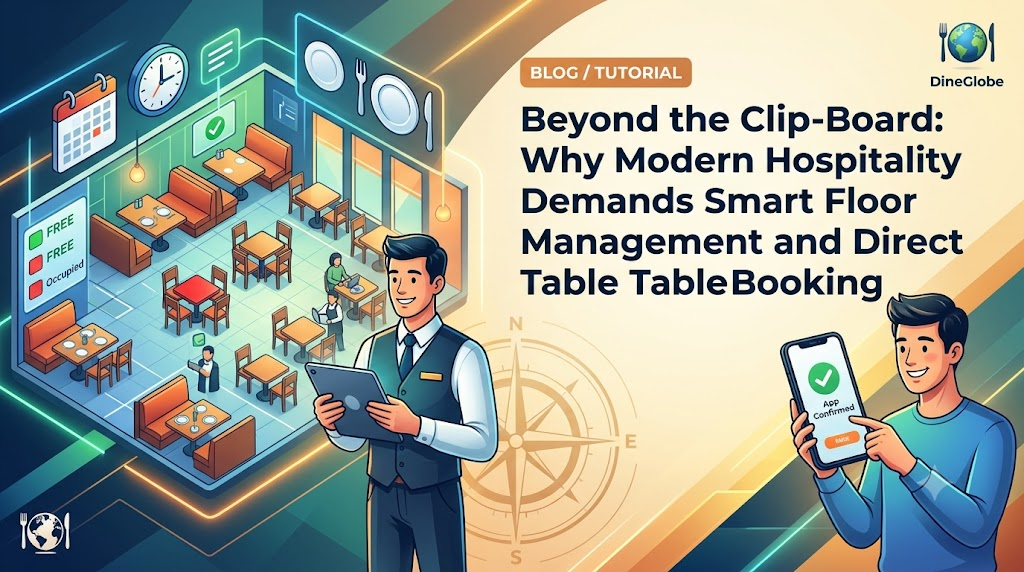
Anyone who has worked a Friday night shift at a busy eatery knows the unique chaos of the front entrance. Between walk-ins peering over the host podium, a phone ringing non-stop for weekend slots, and diners lingering forty minutes past their dessert course, front-of-house teams face continuous pressure. The traditional approach—hastily scrawled notes on laminated floor charts, disconnected spreadsheets, or over-reliance on external directory platforms—regularly buckles under pressure.
Hospitality has never been just about great food; it is an exercise in time management and spatial orchestration. Adopting intuitive, dedicated restaurant reservation software has become a vital operational upgrade for modern venues. Bringing guest reservations, table availability, floor layouts, and live queues into one responsive hub protects dinner service sanity, safeguards profit margins, and ensures the diner’s journey is smooth from reservation to dessert.
The Operational Headaches of Outdated Front-Desk Workflows
When front-of-house teams rely on cobbled-together tools, the friction points compound rapidly throughout dinner service.
Operators regularly struggle with:
- Aggregator Cut Costs: Third-party marketplace directories charge per-cover taxes and recurring monthly fees simply to deliver guests who were likely searching for your venue in the first place. This adds overhead and blocks you from directly cultivating guest relationships.
- Gridlocked Seating & Double Bookings: If online booking portals do not actively communicate with the physical floor, tables are regularly promised to new arrivals while previous parties are still enjoying their coffee.
- Disorganized Walk-In Handling: High-demand shifts can quickly overwhelm the entrance when door staff cannot accurately estimate wait times, leading to frustrated guests and overcrowded waiting areas.
- Server Section Burnout: Without clear visibility into table turns and seating rhythms, hosts can easily overload one server’s section while another sits under-utilized, disrupting kitchen pacing and service standards.
Smoothing out these bottlenecks requires swapping out piecemeal systems for an integrated service management workflow.
Essential Elements of a High-Performing Front-of-House Platform
Running a synchronized service requires software that links digital guest actions directly to the physical tables on your floor.
Direct Booking Portals that Protect Ownership
When restaurants implement an autonomous direct restaurant booking system, they regain control over their guest community. Using a dedicated online restaurant booking system embedded on the venue’s own digital assets offers essential strategic wins:
- Direct Guest Connection: Retain unmediated access to guest notes, dietary restrictions, and historical visit patterns without marketplace gatekeepers.
- Tailored House Rules: Adjust dining duration expectations, deposit requirements, minimum cover settings, and cancellation cutoffs to align with your venue’s real operating rhythms.
Dynamic Floor Plans and Precise Table Allocation
A reservation sheet is only as reliable as the physical dining space behind it. Modern restaurant floor plan software mirrors the real-world geometry of your dining room in real time.
This gives teams crucial functional leverage:
- Intelligent Table Merges: Automatically combine two-tops into larger arrangements for bigger celebrations without creating unused, unfillable adjacent gaps.
- Pacing and Buffer Management: Introduce automatic transitional buffers between turns so waitstaff have adequate windows to bus, sanitize, and reset place settings.
- Live Shift Visibility: Instantly distinguish between tables that have just sat down, those on their entrees, and those settling their checks.
Seamless Waitlists and Foot-Traffic Coordination
Even the most organized reservation books face cancellations and no-shows. An agile restaurant waitlist management software module lets hosts calculate precise wait estimates based on actual table progress rather than guesses.
Paired with responsive restaurant walk-in management software, reception staff can quickly log spontaneous arrivals, organize queues, and notify guests when tables clear—turning unexpected door traffic into seated covers without disturbing pre-booked arrivals.
Empowering the Host Station
The reception counter is the control deck of the dining room. Equipping your entrance crew with purpose-built restaurant host stand software transforms chaotic service rushes into a composed, organized workflow.
A unified front-of-house interface allows the host team to:
- View incoming reservations, immediate arrivals, and active dining durations side-by-side.
- Evenly distribute covers across the dining room to maintain a balanced rhythm for the kitchen.
- Pivot during peak rushes by immediately reallocating tables when parties arrive early or check out ahead of schedule.
Guest Reservation / Foot-Traffic Arrival
                  │
                  ▼
   [ Central Host Stand Interface ]
   ├── Direct Custom Booking Rules
   ├── Real-Time Waitlist Tracking
   └── Live Floor Geometry & Reset Buffers
                  │
                  ▼
   Coordinated Floor Turns & Seamless Service
Elevating Daily Service Workflows with DineGlobe
For operators looking to replace fragmented tools and break away from third-party booking commissions, DineGlobe provides an intuitive, comprehensive hospitality operations platform. Built for independent venues and expanding operators looking for dependable restaurant reservation software for small restaurants, DineGlobe coordinates every element of the front desk into a single, cohesive workflow.
Unified Tools for Service Teams
The platform bridges guest-facing bookings with back-of-house dining room management:
- Autonomous Direct Reservations: Diners reserve directly through a customized booking page, eliminating dependencies on third-party marketplace apps and per-seat fees.
- Synchronized Floor and Table Management: Built-in restaurant table management software uses real-world physical table mapping, combined seating setups, reservation holds, and turnover buffers to keep digital bookings aligned with actual floor capacity.
- Command-Center Host Station: Reception teams gain full oversight of approaching seatings, active diners, table turnover, and shift flow from a clean, single-screen view.
- Walk-In and Waitlist Synergy: Front-desk staff can register spontaneous guests, track visit patterns, project wait times accurately, and seat waitlisted diners the moment a check settles.
- Flexible Self-Service and Language Options: Features include guest confirmation codes, self-service modification links, permission-based team access, service reports, and multilingual interfaces in English, Japanese, and Arabic.
To let venues experience a smoother operational flow firsthand, DineGlobe offers a free restaurant reservation system during its pilot initiative, giving teams complete access to its suite of table management, reservation, and waitlist features without early software roadblocks.
Practical Habits for a Frictionless Dining Service
Software provides the framework, but solid operating habits ensure consistent service execution:
- Scale Dining Times by Party Size: Avoid a blanket turn-time rule. Assign distinct expectations (e.g., 60 minutes for pairs, 90 minutes for mid-sized parties, and two hours for larger groups) to keep table utilization high without rushing guests.
- Protect Your Reset Windows: Build in 10-to-15-minute buffers between consecutive bookings on high-demand tables. This protects your service from unexpected kitchen delays or lingering conversations.
- Promote Your Direct Channel First: Place your direct booking link front and center on social accounts, local map profiles, and your homepage. Training regulars to book directly keeps revenue inside the restaurant.
- Simplify Guest-Led Adjustments: Use automated confirmation links and quick self-cancellation tools. When guests can easily update their plans from their phones, your team gets advance notice to free up tables for waiting walk-ins.
Frequently Asked Questions
What sets a direct booking system apart from a third-party marketplace?
A direct booking setup lets diners reserve tables through your venue’s own channels, allowing you to retain full guest data, customize house policies, and avoid third-party commissions. Marketplace portals place your restaurant in a competitive shared directory, often taking fees on every cover while managing the core diner relationship.
How do dynamic floor plan tools prevent accidental double bookings?
Dynamic floor plan software links incoming digital reservations to specific physical table layouts and turn windows. By factoring in physical seating rules, combined table arrangements, and necessary reset breaks, the platform automatically halts bookings once real capacity is reached.
Can a single system balance both scheduled reservations and spontaneous walk-ins?
Yes. Contemporary platforms incorporate waitlist and walk-in tools right into the main host interface. Staff can log unscheduled parties alongside confirmed bookings, watch table turnover in real time, and slip walk-ins into open slots without disrupting upcoming seatings.
Why are automated seating buffers so critical for service flow?
Buffers add a short, pre-set reset window between reservations at the same table. This breathing room gives servers and bussers adequate time to clear, sanitize, and set the station, preventing awkward entrance delays when prior guests take extra time to wrap up.
What should boutique or independent venues prioritize when choosing reservation software?
Independent venues should look for complete direct-booking independence, straightforward floor-mapping tools, transparent operational costs, and an uncluttered host interface. Practical platforms—like those offering full pilot access—allow operators to elevate their front-of-house coordination without dealing with enterprise bloat.
Elevate Your Front-of-House Standard
Delivering a memorable meal requires careful timing long before plates leave the pass. Juggling disconnected notebooks, inflexible directories, or commission-heavy portals costs time, chips away at margins, and risks leaving diners waiting awkwardly at the door.
By adopting integrated restaurant reservation software, hospitality operators take full command of their dining floor, safeguard profitability through direct channels, and give their staff the clarity needed to deliver warm, composed hospitality. Learn how DineGlobe links direct reservations, floor layouts, and waitlists together—and see how organized your next dinner service can be.
Leave a Reply